Introduction
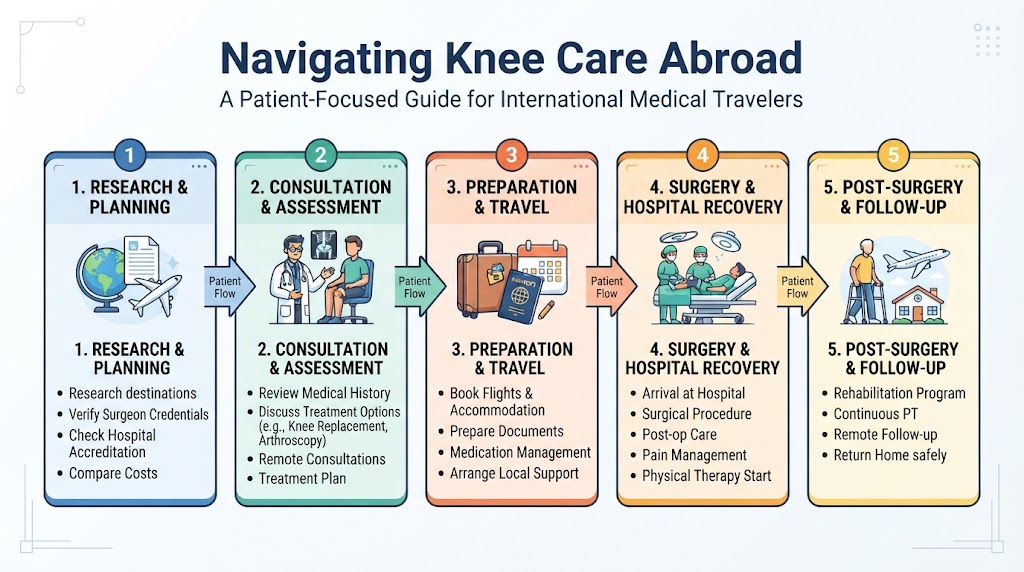
Deciding to travel across borders for joint health management requires thoughtful planning and clear guidance. Many individuals look beyond their home countries to access specialized orthopedic expertise, advanced hospital infrastructure, and shorter wait times for joint procedures. Organizing international healthcare arrangements successfully involves examining personal medical requirements, comparing global medical facilities, and reviewing treatment estimates before departure. A structured approach helps individuals and their families navigate medical records, arrange convenient travel logistics, and prepare thoroughly for postoperative recovery and ongoing rehabilitation.
Understanding Knee Care for International Patients
Before organizing medical travel, individuals should gather a comprehensive overview of their joint health. A thorough initial assessment forms the foundation of safe and effective treatment planning. Medical teams abroad rely heavily on accurate diagnostic information to understand the exact nature of an individual’s discomfort or mobility limitation.
Key elements of a proper medical evaluation typically involve reviewing:
- Detailed medical history and previous treatments
- Current symptoms and daily impact on mobility
- Recent diagnostic reports, X-rays, or advanced imaging scans
- Lists of current medications and allergies
- Previous surgical notes or physical therapy records
Sharing these details accurately allows overseas specialists to evaluate whether surgical or non-surgical approaches suit the individual’s specific profile.
Choosing the Right Knee Specialist
Selecting an experienced orthopedic specialist is one of the most critical decisions in medical travel. Patients and their caregivers should examine several professional credentials to ensure confidence in their chosen physician.
Important areas to review include board certifications, fellowship training in joint reconstruction or sports medicine, and years of active clinical practice. It is equally valuable to understand how many similar procedures the specialist performs annually. Clear communication styles, patient-centric approaches, and active hospital affiliations also help determine whether a doctor is a suitable match for personalized care.
Comparing Knee Hospitals
Evaluating global medical centers requires looking closely at infrastructure, safety standards, and specialized patient support services.
Hospital Experience
Centers that routinely handle complex joint procedures generally have refined clinical pathways. High procedure volumes often correlate with familiar teams, smooth operating room workflows, and well-established inpatient protocols.
Medical Facilities
Advanced hospitals feature modern diagnostic imaging, dedicated orthopedic surgical suites, sterile environments, and specialized physical therapy units equipped to support early mobilization after treatment.
Patient Safety
International accreditation standards, robust infection control measures, and 24-hour critical care support are essential indicators of a hospital’s commitment to patient safety and well-being.
International Patient Support
Dedicated departments for overseas visitors can significantly reduce travel stress by offering translators, airport transfers, visa invitation letters, and assistance with local lodging arrangements.
Understanding Knee Treatment Options
Joint care encompasses a wide spectrum of interventions, ranging from conservative management to surgical replacement. The appropriate path depends entirely on the severity of joint degeneration, the patient’s age, overall health status, and lifestyle goals.
Non-surgical approaches might include targeted physical therapy, lifestyle modifications, weight management, bracing, or joint injections. When joint damage is advanced and conservative measures no longer provide relief, specialists may discuss partial or total joint reconstruction. Treatment decisions always rest with qualified medical professionals after a comprehensive physical examination and diagnostic review.
Comparing Knee Treatment Destinations
Choosing where to travel involves balancing clinical quality, financial considerations, and logistical convenience. International medical seekers should look beyond pricing alone and evaluate the broader healthcare ecosystem of a prospective country.
Important destination factors include the availability of internationally accredited facilities, experienced medical personnel, supportive rehabilitation infrastructure, and ease of travel. Language accessibility and cultural comfort also play vital roles in ensuring a smooth and reassuring hospital stay.
Understanding Knee Treatment Costs
Financial planning is a key aspect of organizing care away from home. Global medical expenses can vary widely based on the chosen country, facility fees, surgeon expertise, and the complexity of the required procedure.
Patients should request a transparent, itemized estimate that outlines what is covered. Typical components of overall medical travel expenses include:
- Initial doctor consultations and diagnostic imaging
- Operating room fees and anesthesia charges
- Inpatient room charges and nursing care
- Post-procedure medications and medical supplies
- In-hospital physical therapy sessions
- Local accommodation and ground transportation
- Return travel and follow-up consultations
Preparing Medical Records
Organizing health documents neatly before contacting overseas clinics helps medical teams review cases efficiently. Gathering clear copies of all relevant reports prevents delays and ensures specialists have a complete picture of the patient’s condition.
Useful documents include recent imaging discs, laboratory test results, physician referral notes, and chronic condition histories. Keeping both digital and physical copies organized in a travel folder ensures easy access during hospital registration and consultations.
Planning Travel and Accommodation
Logistical arrangements require careful coordination with medical schedules and physical recovery needs. International travelers should select lodging situated within a short distance of the hospital to minimize travel strain during follow-up visits.
Booking flexible travel tickets, arranging comfortable ground transportation, and traveling with a supportive family member or caregiver greatly enhances peace of mind. Accommodations should feature accessible amenities, such as step-free entry, elevators, and supportive bathroom fixtures suitable for individuals with limited mobility.
Recovery and Rehabilitation
Post-procedure rehabilitation is vital for restoring strength, flexibility, and joint function. Recovery timelines vary for each individual based on their overall health, surgical technique, and dedication to prescribed exercises.
Physical therapy usually begins shortly after the procedure, focusing initially on gentle range-of-motion movements before progressing to strengthening routines. Establishing a clear rehabilitation schedule before returning home ensures continuity of care and supports long-term recovery success.
Follow-Up Care After Returning Home
Establishing a post-treatment continuity plan before leaving the hospital ensures smooth healing after returning home. Patients should coordinate how they will share recovery progress reports and physical therapy updates with their overseas operating surgeon.
Having local medical support, such as a trusted primary care physician or physical therapist nearby, provides immediate reassurance if questions or concerns arise during the recovery phase.
Common Challenges for International Knee Patients
Navigating healthcare across borders can introduce unique hurdles, such as interpreting complex medical terminology, comparing distant hospital standards, and managing travel logistics while experiencing physical discomfort. Language barriers and adjusting to unfamiliar environments can also add stress.
Proactive planning, relying on structured hospital guidance, and utilizing specialized informational resources like KNEEHOSPITALS.COM can help international travelers address these challenges smoothly and make confident choices.
Important Factors to Compare Before Choosing Knee Care
- Specialist Expertise: Reviewing doctor training, experience, and patient communication style.
- Hospital Standards: Examining safety accreditations, infection control, and technology.
- Treatment Scope: Understanding available therapeutic choices and medical recommendations.
- Financial Clarity: Reviewing itemized estimates and what is included in the package.
- Travel Logistics: Assessing distance to lodging, transport ease, and caregiver support.
- Rehabilitation Support: Planning physical therapy protocols for hospital stay and home return.
Knee Care Planning Comparison Table
| Factor | What to Check | Why It Matters |
| Hospital | Facilities, experience, safety standards | Helps patients understand the quality of care |
| Doctor | Experience and specialization | Helps identify suitable medical expertise |
| Treatment | Available options and medical guidance | Helps patients understand their choices |
| Cost | Treatment and additional expenses | Supports better financial planning |
| Recovery | Rehabilitation and ongoing support | Helps patients prepare for the recovery period |
| Follow-Up | Post-treatment communication and care | Supports continuity after returning home |
International Knee Care Planning Table
| Area | Questions to Consider |
| Medical Care | Is the hospital experienced with the patient’s type of knee problem? |
| Specialist | Does the doctor have relevant experience? |
| Treatment | What treatment options may be available? |
| Cost | What is included in the estimated treatment cost? |
| Travel | How easy is it to reach the hospital and stay nearby? |
| Recovery | What rehabilitation or support may be required? |
| Follow-Up | How will continued care be managed after returning home? |
Common Mistakes Patients Should Avoid
- Choosing a hospital solely based on the lowest price without checking quality standards.
- Failing to verify the surgeon’s specific experience with similar joint conditions.
- Ignoring hospital infection control records and accreditation credentials.
- Overlooking the importance of pre-treatment evaluations and accurate medical history disclosure.
- Neglecting to plan accessible accommodation and local transport arrangements.
- Forgetting to ask what is included in financial cost estimates.
- Underestimating the importance of structured rehabilitation after treatment.
- Failing to establish a clear communication plan for post-return follow-up care.
How KNEEHOSPITALS.COM Can Help Patients
Exploring medical options abroad is easier when individuals have access to organized, educational information. Platforms like KNEEHOSPITALS.COM assist international patients by providing resources to research global knee care options, understand hospital credentials, compare physician backgrounds, and prepare for medical travel. By offering clear guidance on what to review, platforms support individuals in making well-informed healthcare decisions tailored to their unique needs.
Benefits of Proper Knee Care Research
- Clearer understanding of available medical procedures and realistic expectations.
- Enhanced confidence when evaluating global specialists and hospitals.
- Thorough financial preparation with fewer unexpected expenses.
- Smoother travel logistics and more comfortable accommodation choices.
- Better structured rehabilitation and recovery experiences.
- Seamless transition to follow-up care after returning home.
Frequently Asked Questions
1. What should international patients know before planning knee treatment abroad?
Patients should understand their specific joint condition, gather accurate medical records, research accredited hospitals, and review estimated expenses and travel logistics before making any arrangements.
2. How can I find a qualified knee specialist in another country?
You can look for board-certified orthopedic surgeons who specialize in joint reconstruction, review their professional experience, check hospital affiliations, and read patient feedback or professional credentials.
3. What medical documents are needed to consult an overseas doctor?
Essential records typically include recent X-rays or MRI scans, diagnostic reports, physician consultation notes, a summary of previous treatments, and a complete list of current medications.
4. Why is hospital accreditation important for international medical travelers?
Accreditation from recognized international health organizations indicates that a hospital meets rigorous standards for patient safety, hygiene, emergency support, and quality of clinical care.
5. Are treatment costs quoted as a single package or itemized?
Costs can vary by facility. Some hospitals offer all-inclusive packages covering surgery, room charges, and basic rehab, while others itemize every service. Always request a clear breakdown.
6. How long do international patients usually need to stay abroad after surgery?
The required stay depends on the type of procedure and individual healing progress, often ranging from two to four weeks to allow for initial recovery and suture removal before flying.
7. How important is physical therapy after knee treatment?
Physical therapy is crucial for regaining joint mobility, strengthening surrounding muscles, and achieving the best possible long-term functional recovery.
8. How do I manage follow-up care after returning to my home country?
Establish a communication channel with your treating hospital before travel, and coordinate with a local physical therapist or physician to continue monitoring your recovery progress.
9. Can family members or caregivers travel with me?
Yes, having a trusted family member or caregiver travel with you provides valuable emotional and physical support during travel, hospital stays, and early recovery.
10. What is the best way to avoid unexpected expenses during medical travel?
Request a detailed financial estimate, clarify what medical and non-medical services are included, and set aside a contingency budget for extra medication, extended stays, or transport needs.
Final Thoughts
Embarking on a journey for joint treatment requires careful evaluation of medical expertise, hospital safety, and personalized rehabilitation plans. By researching qualified specialists, understanding overall expenses, and organizing travel logistics thoughtfully, patients can approach their care with confidence. Utilizing educational platforms like KNEEHOSPITALS.COM helps international medical travelers compare their choices effectively. Ultimately, a well-planned healthcare journey supports safer treatment experiences and paves the way for a successful recovery and improved mobility.