Introduction
Knee pain can begin after an injury, physical activity, or sudden joint changes. Some mild cases improve with rest and simple self-care. Other cases need proper medical attention to protect joint health. An orthopedic specialist checks the knee to find the cause of pain.
They also discuss suitable care options for long-term comfort. Pain that continues, worsens, or limits daily movement should not be ignored. Also, sudden severe symptoms after an injury may need urgent medical care. Seeking timely guidance helps you understand your symptoms and protect your mobility.
Understanding Knee Pain and Its Common Symptoms
Knee pain can feel different for every person. You may feel discomfort around the front, sides, or back of the joint. Some people experience sharp pain during movement. Others feel a constant dull ache while resting.
Common symptoms include joint swelling, stiffness, and tenderness around the kneecap. You might also notice reduced movement when bending your leg. Some people report clicking sounds or a feeling that the knee may give way.
These symptoms can appear while walking, climbing stairs, standing, or sitting. However, symptoms alone cannot confirm the exact cause. A proper assessment helps clarify what is happening inside the joint.
Common Reasons for Knee Pain
Many health conditions can cause knee joint problems. Understanding these causes helps you recognize when to seek help.
- Muscle or tendon strain from sudden overuse or stress.
- Ligament injuries that affect stability and cause sudden joint weakness.
- Meniscus tears involving the cushioning cartilage inside the knee.
- Knee osteoarthritis, which causes wear and changes in joint cartilage.
- Bursitis, which involves irritation of fluid-filled sacs near the joint.
- Sports injuries, falls, or direct impacts during daily work.
- Inflammatory joint conditions that cause ongoing swelling and pain.
Different causes require different care approaches. Not all knee pain comes from arthritis or an old injury.
When Knee Pain Needs Specialist Orthopedic Care
You may benefit from a specialist orthopedic assessment if knee pain continues for weeks. Persistent discomfort that returns often deserves a careful review.
Seek medical advice if swelling keeps coming back after activity. Difficulty walking, limping, or reduced leg movement also requires attention. Pain that interrupts sleep or limits work tasks should be checked.
Additionally, an assessment helps if pain continues despite basic home care. An old injury that starts causing new pain also needs specialist evaluation. The right time to seek care depends on symptom severity and daily impact.
Warning Signs That Need Urgent Medical Attention
Certain severe knee pain symptoms require immediate emergency assessment.
- Sudden, severe knee pain right after an accident or fall.
- Inability to move the knee or put weight on the leg.
- Major swelling that develops quickly within hours of an injury.
- A knee that becomes hot or red, especially with a fever.
- A visible change in the shape or alignment of the knee.
- New leg weakness, numbness, or tingling with joint pain.
These signs can point to a fracture, severe ligament tear, or joint infection. Do not wait for a routine visit when urgent warning signs appear. Seek immediate medical attention.
Helpful Tables for Understanding Knee Pain
The following guide outlines common symptoms and practical steps for medical visits.
Table 1: Knee Pain Symptoms and Suggested Actions
| Symptom or Situation | What It May Mean | Suggested Action |
| Mild pain after unusual activity | Possible strain or overuse | Reduce painful activity and monitor symptoms |
| Pain that continues or returns | May need further assessment | Arrange a medical appointment |
| Pain that limits daily movement | May need diagnosis and treatment | Consult a healthcare professional |
| Sudden severe pain after an injury | Possible serious injury or fracture | Seek urgent medical care |
| Hot or red knee with fever | Possible infection or another serious problem | Seek urgent medical assessment |
| Inability to put weight on the leg after an injury | Possible serious injury | Seek emergency care |
How Knee Pain Can Affect Everyday Activities
Ongoing knee discomfort can make normal daily routines difficult. Walking short distances or climbing stairs may cause sharp pain. Getting out of a deep chair or car seat requires extra effort.
Standing for long periods at work can increase joint stiffness. Pain can also disturb sleep when turning in bed.
Changes in how you walk can strain your back, hips, or opposite leg. Getting a specialist assessment helps protect your physical comfort and daily independence.
What Happens During an Orthopedic Consultation?
An orthopedic consultation begins with a detailed health history. The doctor asks when your knee pain first started. They review the exact location, intensity, and type of discomfort.
Next, they examine your past injuries, work routine, and current medicines. A physical exam checks knee movement, swelling, strength, and overall stability.
The specialist then decides if further diagnostic tests are needed. They may order X-rays, MRI scans, or blood tests based on their findings. Not every patient requires every test. The doctor selects tests carefully for each case.
How Doctors Find the Cause of Knee Pain
Doctors combine your health history, physical exam, and test findings to reach an accurate knee pain diagnosis.
X-rays show bone structure, alignment, and joint space narrowing from wear. MRI scans show soft tissues like ligaments, tendons, and cartilage.
Doctors also evaluate whether inflammation or referred pain plays a role. Many knee conditions share similar symptoms. A careful specialist assessment ensures you receive the correct diagnosis for your situation.
Treatment Options for Knee Pain
Treatment choices depend on the underlying cause, symptom severity, and your overall health. Non-surgical care is often the first step for many conditions.
- Modifying activities that place heavy stress on the knee joint.
- Physiotherapy and guided exercises to improve muscle strength and flexibility.
- Medicines recommended by a healthcare professional to manage discomfort.
- Using cold packs or warm compresses as suggested for comfort.
- Support aids such as knee braces, taping, or walking canes.
- Injections for selected conditions to reduce local inflammation.
- Surgery for specific structural problems when non-surgical care is not enough.
Care plans match your specific diagnosis. Surgery is not required for every knee problem.
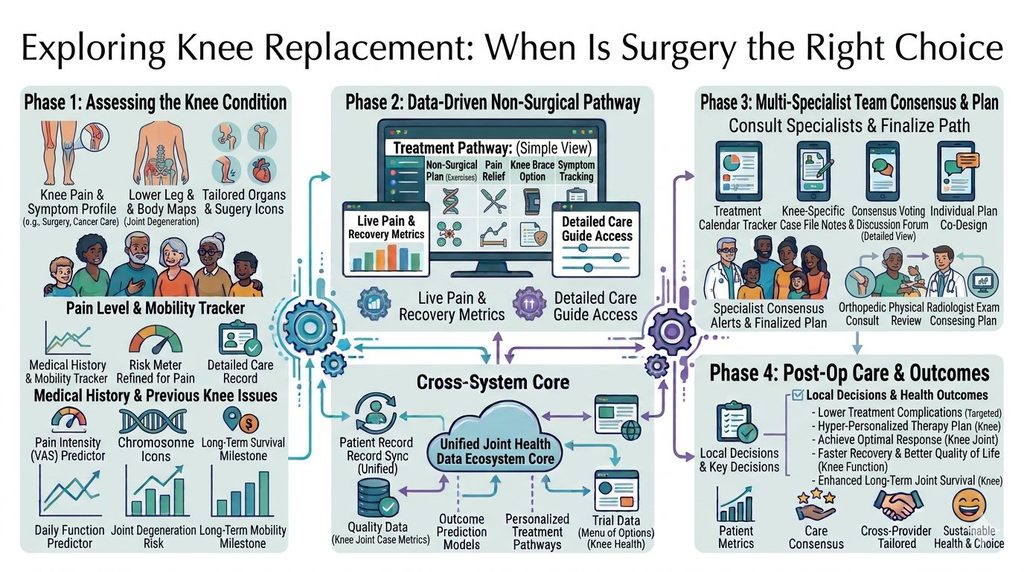
When Knee Surgery or Knee Replacement May Be Considered
An orthopedic specialist may discuss surgery when non-surgical treatments no longer provide relief.
Severe joint damage from advanced arthritis can cause major daily limitations. In such cases, total or partial knee replacement may be considered. Other procedures can repair torn cartilage or stabilize damaged ligaments after severe injuries.
Doctors evaluate your health, age, activity goals, and scan findings before recommending surgery. They explain expected benefits and potential risks clearly. Only a qualified care team can determine if surgery suits you.
How to Prepare for a Knee Specialist Appointment
Preparing for your visit helps you get the most from your appointment.
Table 2: What to Bring to an Orthopedic Appointment
| Item to Prepare | Why It Helps |
| Symptom notes | Helps explain when the pain started and how it feels |
| Medical history | Helps the doctor understand other health conditions |
| Current medicine list | Helps review treatment concerns |
| Previous scan or test reports | Provides useful details about earlier findings |
| Past treatment details | Shows what has or has not helped |
| Questions about care | Helps patients understand their options |
Write down when your pain happens and what makes it better or worse. Bring copies of past X-rays, MRI reports, and medical records.
List all current medicines, supplements, and details of earlier treatments. Prepare a list of questions about your diagnosis and non-surgical care choices. Do not delay urgent care while preparing for a routine visit.
Choosing Suitable Orthopedic Care for Knee Pain
Selecting the right healthcare team gives you confidence in your care plan. Look for qualified orthopedic professionals with experience in joint care.
Ensure the clinic offers access to necessary imaging tests like digital X-rays or MRI scans. Choose providers who explain diagnostic findings and care choices clearly.
A good facility offers balanced discussions on both surgical and non-surgical choices. Rehabilitation support and follow-up care are also essential for long-term health.
Common Mistakes When Dealing With Knee Pain
Many people ignore recurring knee pain, hoping it will vanish on its own. Continuing high-impact exercise through sharp pain can worsen joint damage.
Another mistake is assuming all joint discomfort comes from simple aging or arthritis. Relying on unverified online advice can delay a proper diagnosis.
Taking medicines without medical guidance can also cause side effects over time. Seeking a timely professional assessment helps avoid unnecessary joint complications.
How KNEEHOSPITALS Relates to Knee Care Information
Learning about knee health helps patients make informed care decisions. Reliable health information prepares you for helpful discussions with doctors. KNEEHOSPITALS provides educational resources on joint health, diagnostic tests, and treatment choices. Understanding your symptoms empowers you to seek timely orthopedic care when needed.
Frequently Asked Questions About Knee Pain and Orthopedic Care
1. When should I see an orthopedic specialist for knee pain?
You should see an orthopedic specialist if knee pain lasts several weeks or worsens over time. Seek assessment if pain limits walking, sleeping, or daily movement. Severe pain after an injury needs immediate medical attention.
2. Can knee pain improve without treatment?
Mild knee pain from minor strain may improve with rest and gentle self-care. However, persistent or severe pain should be evaluated by a healthcare professional to prevent further joint damage.
3. What are the warning signs of a serious knee problem?
Warning signs include severe pain after an injury, inability to bear weight, and rapid joint swelling. A hot, red knee with a fever also requires urgent medical care.
4. Can arthritis cause knee pain?
Yes, osteoarthritis and inflammatory arthritis are common causes of knee pain. However, ligament tears, tendon strain, and meniscus injuries can also cause similar joint discomfort.
5. What tests may be needed for knee pain?
Doctors may use physical exams, X-rays, MRI scans, and blood tests to check your knee. The specific tests depend on your symptoms and physical exam findings.
6. Does every knee problem require surgery?
No, many knee conditions improve with non-surgical choices like physiotherapy, support braces, and medication. Surgery is considered only when conservative options do not provide adequate relief.
7. When might a doctor recommend knee replacement?
A doctor may suggest knee replacement for severe joint damage that severely limits daily tasks. It is considered when non-surgical options no longer manage pain effectively.
8. Can walking make knee pain worse?
Walking can worsen pain if you have joint inflammation, severe wear, or an acute injury. Avoid activities that cause sharp pain and consult a doctor for guidance.
9. What should I bring to an orthopedic consultation?
Bring past scan reports, medical records, a current medicine list, and notes about your symptoms. Preparing written questions helps you discuss treatment options clearly with your specialist.
10. How can I choose a suitable hospital for knee pain treatment?
Look for experienced orthopedic specialists, diagnostic facilities, clear communication, and non-surgical care options. Rehabilitation support, follow-up arrangements, and clear cost information are also important considerations.
Conclusion
Understanding when knee pain needs specialist orthopedic care helps you protect your mobility and joint health. Mild pain may improve with rest, but persistent discomfort deserves professional assessment. Ongoing stiffness, swelling, limping, and trouble with daily tasks are clear reasons to seek advice.
Urgent warning signs like severe pain after an accident, inability to bear weight, or a hot and red knee require immediate medical attention. An orthopedic specialist can identify the exact cause of your pain and explain safe treatment options. Speak with a qualified healthcare professional to get an accurate diagnosis and start a personalized care plan.