Why Patient Support and Caregiver Resources Matter
Caregivers often find themselves juggling medical appointments, medication schedules, and emotional support for their loved ones. Statistics show that 1 in 4 Americans serve as informal caregivers, providing care for family members with chronic illnesses or disabilities. However, these responsibilities can take a significant toll on a caregiver’s mental and physical health.
For patients, having a strong support system means faster recovery, better health outcomes, and enhanced quality of life. Yet, many patients and caregivers don’t know where to find the help they need.
This article will explore the essential resources available for both patients and their caregivers — from emotional support to financial guidance and everything in between.
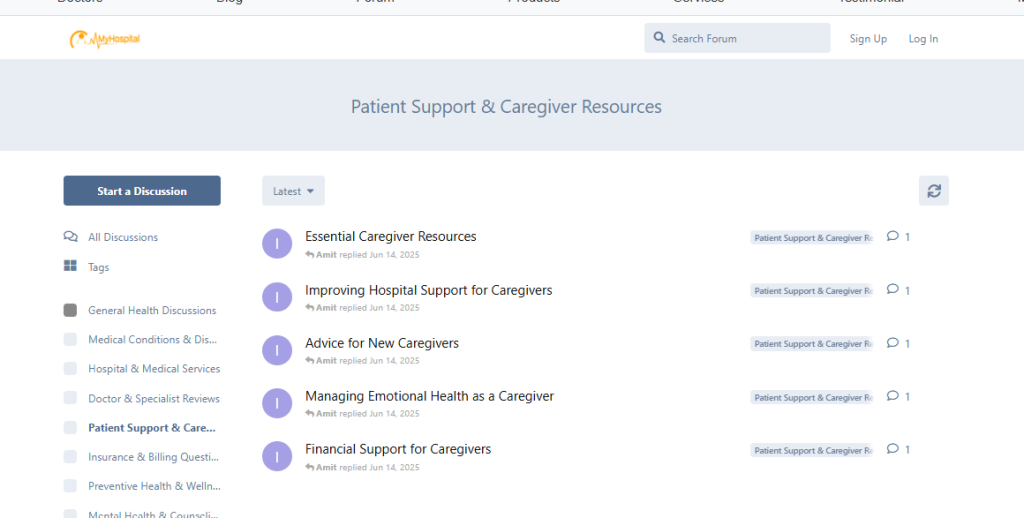
For more discussions and support, visit the Patient Support & Caregiver Resources Forum.
Understanding the Role of Caregivers and Their Impact on Patient Health
Caregivers can be family members, friends, or professional aides who assist individuals with health challenges. Their responsibilities vary, but they often include tasks like:
- Managing medication
- Coordinating medical appointments
- Providing emotional and physical support
- Handling household duties
Real‑world statistics show that patients with caregivers are less likely to experience depression and more likely to manage their conditions effectively. However, caregivers themselves often struggle with stress, anxiety, and burnout.
As a caregiver, you are the backbone of your loved one’s care journey, but you also need support to maintain your well-being.
Resources for Patient Support and Caregiver Assistance
1. Emotional Support for Caregivers
Caregiving can feel isolating, and emotional burnout is a common challenge. Here are some ways to find the emotional support you need:
- Support groups: Whether in-person or online, support groups provide a space to connect with others who understand your struggles.
- Therapy and counseling: Speaking with a mental health professional can help caregivers manage stress, anxiety, and depression.
- Respite care: Short-term care services that allow caregivers to take a break, ensuring they maintain their own well-being.
For more resources and caregiver support options, visit the Patient Support & Caregiver Resources Forum.
2. Financial Support and Legal Resources
Managing finances is a significant concern for both patients and caregivers. Resources to ease financial stress include:
- Government assistance programs: Many countries provide financial aid for caregivers, such as tax breaks, subsidies, or financial relief programs for medical expenses.
- Insurance support: Understanding health insurance benefits and long-term care options can help reduce financial strain.
- Legal resources: Caregivers may need assistance with power of attorney and healthcare proxy arrangements. Organizations like AARP offer free legal consultations for caregivers.
Explore further financial support and legal resources on the Patient Support & Caregiver Resources Forum.
3. Healthcare Access & Medical Resources
Patients and caregivers both need easy access to healthcare resources. Here’s how to ensure quality care:
- Patient advocacy groups: Many organizations provide free resources on treatment options, clinical trials, and care pathways.
- Navigating the healthcare system: Understanding how to communicate effectively with doctors, schedule appointments, and manage insurance claims is crucial.
- Medical transportation: For patients with mobility issues, assistance with transportation to and from appointments can be a lifesaver.
Get more insights into healthcare access tools and tips by visiting the Patient Support & Caregiver Resources Forum.
4. Specialized Caregiver Training
Many caregivers feel underprepared for the complex medical tasks they must handle. Fortunately, there are training programs designed to support them:
- Home care training programs: These programs teach caregivers how to manage medical equipment, administer medications, and perform basic medical tasks.
- Palliative and hospice care training: For caregivers of patients with terminal conditions, specialized training ensures comfort and dignity during the final stages.
- Online courses: Several organizations offer free online training covering everything from physical therapy to caregiving for patients with Alzheimer’s disease.
Explore caregiver training opportunities and resources on the Patient Support & Caregiver Resources Forum.
Real‑World Case Studies and Success Stories
Case Study 1: Respite Care That Made a Difference
Maria, a 48-year-old caregiver, was overwhelmed with caring for her elderly mother who had dementia. After attending a local caregiver support group and accessing a respite care program, she was able to take time for herself, which allowed her to return to caregiving with renewed energy and patience.
Case Study 2: Financial Relief Through Government Assistance
John, a full-time caregiver for his wife who was diagnosed with cancer, was struggling to manage the financial burden. After learning about government financial support programs through a caregiving resource website, John was able to access financial assistance that helped pay for medical treatments and home care services.
Common Questions About Patient Support and Caregiver Resources
- What are the signs of caregiver burnout?
- How can I access financial assistance as a caregiver?
- What are the best ways to communicate with healthcare providers?
- Where can I find emotional support for caregiving challenges?
- What should I know about my legal rights as a caregiver?
These questions are addressed in more detail on the Patient Support & Caregiver Resources Forum.
Conclusion: Empowering Caregivers for Better Patient Care
Caregivers are the unsung heroes of the healthcare system, and their well-being is just as important as that of the patients they care for. Access to resources can make all the difference, offering much-needed support, guidance, and empowerment.
For ongoing support, tips, and resources, visit the Patient Support & Caregiver Resources Forum and connect with a community that understands.
Remember, you don’t have to do this alone. Support is available for both you and the patient you care for.