More travelers, returning residents, and local families are now looking for one thing first: “hospital readiness” in Saint Vincent and the Grenadines — not just a hospital name. In real life, the best hospital choice is the one that can deliver your care safely today with the right team, dependable diagnostics, clean infection control, and a clear emergency backup plan. This professional tutorial is written to help you make that decision calmly, step-by-step, with practical checklists and a comparison table you can actually use.
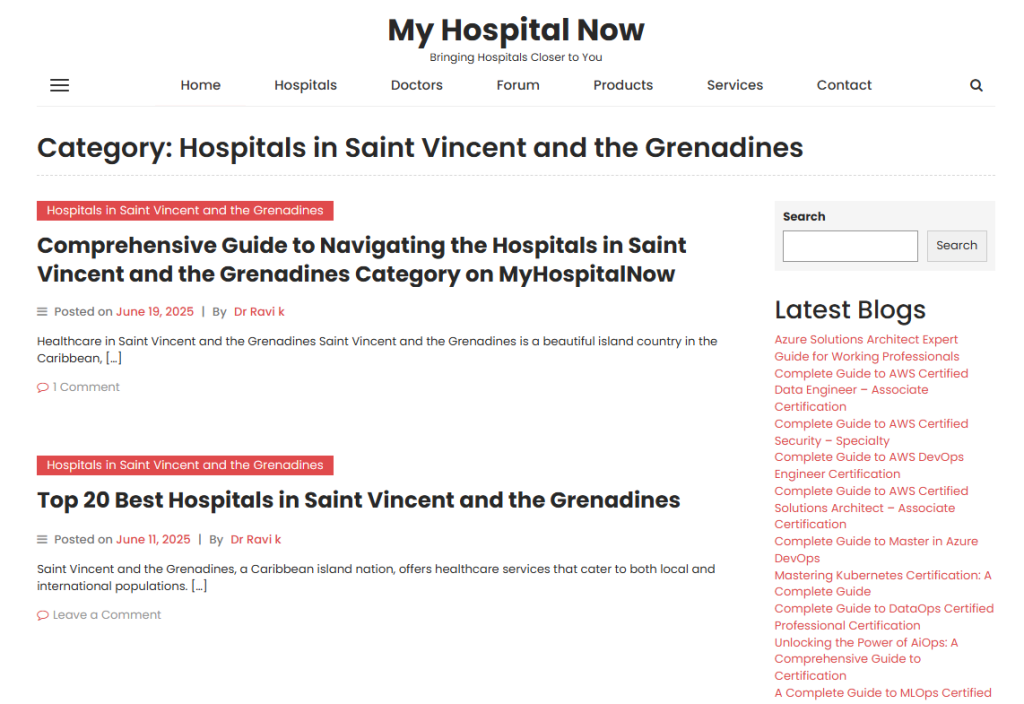
Start Here (Official MyHospitalNow Links): Begin on MyHospitalNow for patient planning basics, browse the country hub Hospitals in Saint Vincent and the Grenadines for Saint Vincent and the Grenadines–focused guidance, and post your case in the MyHospitalNow Forum to get structured help before you choose a hospital, book travel, or start treatment.
Who this tutorial is for
This guide is designed for:
- Patients and families choosing care for emergencies, pregnancy, surgery, infections, or chronic conditions
- Professionals and caregivers coordinating care pathways and referrals
- Medical tourism planners comparing care readiness, travel logistics, and realistic expectations
By the end, you will be able to:
- Match your health need to the right facility capability
- Ask the right safety questions before admission
- Understand available treatments and what varies by facility type
- Use a 10-facility comparison table to shortlist options
- Plan cost, follow-up, and travel with less confusion
The healthcare landscape in Saint Vincent and the Grenadines (patient-friendly, realistic)
Saint Vincent and the Grenadines is a small island nation, which means healthcare often works best when you plan it like a pathway:
- Primary and urgent care is usually handled through local health services and hospital outpatient departments
- Emergency stabilization is available, but advanced services can vary based on staffing and equipment availability
- Complex cases may require referral planning, specialist scheduling, or staged treatment (assessment first, procedure later)
What this means for patients
- Your timing matters. Some services depend on specialist availability, clinic days, and operating schedules.
- Your condition matters. A facility that is excellent for urgent evaluation may not be best for complex surgery follow-up.
- Your safety plan matters. The best outcomes often come from good planning: clear documents, clear questions, and clear follow-up.
Practical tip: Don’t choose a facility only by reputation. Choose it by capability + team + emergency backup + follow-up clarity.
What “quality care” looks like in Saint Vincent and the Grenadines
In real patient terms, quality is usually a combination of:
- Right team: the clinician you need is available when you arrive
- Right setup: clean infection control, safe medication handling, stable nursing
- Right diagnostics: lab and imaging are dependable and timely enough to guide decisions
- Right backup: emergency response and escalation pathway if complications occur
- Right follow-up: written discharge plan, clear medication instructions, and return-warning signs
Key idea: A facility can be caring and well-intentioned, but your outcome improves when the system is predictable and prepared.
Available treatments in Hospitals in Saint Vincent and the Grenadines
Below is a practical map of treatments you can expect, plus what to confirm before you commit.
Emergency and urgent care
Commonly available
- Emergency assessment for pain, breathing issues, fever, dehydration, injury
- Stabilization of trauma and urgent medical conditions
- Referral decisions based on severity and available services
What to verify
- 24/7 emergency coverage (not just daytime availability)
- How escalation works if a patient needs higher monitoring
- Whether imaging/labs are available at the time you arrive
- How ambulance/transfer processes are handled (if needed)
Actionable tip: Ask one simple question: “If things worsen, what is the next step here?” The clarity of the answer tells you a lot.
Women’s health, maternity, and newborn care
Commonly available
- Pregnancy monitoring and antenatal visits
- Normal delivery support in appropriate settings
- C-section capability in hospital settings (availability can depend on staffing and theatre readiness)
- Gynecology consultations for common concerns
What to verify
- Who is on-call for emergencies (especially nights/weekends)
- Operating theatre readiness for urgent delivery situations
- Newborn monitoring capability and escalation plan
- Post-delivery follow-up plan and warning signs
Actionable tip: For pregnancy care, always confirm the “night plan” and “newborn plan,” not only the daytime clinic plan.
General surgery and routine procedures
Commonly available (facility-dependent)
- Minor procedures and wound care
- Evaluation for common surgical issues
- Planned procedures based on scheduling and readiness
What to verify
- Sterilization and infection control routines
- Anesthesia support, monitoring, and recovery observation
- What post-op monitoring looks like in the first 6–24 hours
- Clear escalation plan for complications
Actionable tip: Before agreeing to surgery, ask for the pathway in plain language: assessment → procedure → monitoring → discharge → follow-up.
Internal medicine and chronic disease care
Commonly available
- Diabetes, blood pressure, asthma management support
- Evaluation for infections and ongoing conditions
- Medication planning and monitoring (facility-dependent)
What to verify
- Lab reliability and report timelines
- Medication continuity (what happens if a medicine is not available)
- Follow-up schedule and monitoring targets
Actionable tip: For chronic illness, the best facility is often the one that provides continuity—a predictable follow-up plan, not only one-time visits.
Diagnostics: labs and imaging
Commonly available (varies by facility)
- Basic lab testing
- X-ray and ultrasound services where available
- Additional imaging access depends on facility capacity and schedules
What to verify
- Expected turnaround time for results
- Who reviews the report (and how quickly you’ll see the clinician again)
- Whether repeat testing is possible if results don’t match symptoms
Actionable tip: If results don’t match how you feel, don’t panic. Ask for a clinical review and repeat testing where appropriate.
Dental, eye, and rehabilitation support (availability varies)
Depending on facility and local services:
- Dental evaluation and basic procedures
- Eye checks and referrals
- Physiotherapy or rehab guidance for mobility and recovery
Actionable tip: If rehab matters (post-injury, post-surgery), ask: “Who guides recovery after the hospital visit?”
Public vs private care: how to choose safely
In smaller island systems, the most practical approach is often to combine strengths.
Public pathway strengths (common patient experience)
- Stronger role in emergency intake and general services
- More experience with broad population needs
- Structured referral and stabilization function
Private pathway strengths (common patient experience)
- Faster scheduled consultations in many cases
- More predictable appointment flows
- Comfort and coordination can be better depending on the facility
Best decision method: Choose two shortlists:
- One option for emergency/urgent stabilization
- One option for planned evaluation or follow-up
Then verify which one fits your case right now.
The MyHospitalNow “Safe Hospital Choice” framework (use this every time)
This section is your decision engine. Use it for every case, even if the problem feels “simple.”
Step 1: Define your care need in one sentence
Write:
- “I need ___ for ___ within ___ days.”
Examples: - “I need maternity care and a safe delivery plan within 3 weeks.”
- “I need urgent evaluation for severe abdominal pain today.”
- “I need chronic diabetes follow-up and lab monitoring monthly.”
Step 2: Identify your non-negotiables
Use this map:
- Emergency/trauma: 24/7 response + stabilization + escalation plan
- Surgery: sterilization + anesthesia monitoring + recovery observation + follow-up
- Maternity: on-call coverage + emergency theatre readiness + newborn plan
- Chronic disease: labs + medication continuity + scheduled follow-up
- Diagnostics-first: reliable testing + timely review + clear next steps
Step 3: Ask these safety questions before admission
Ask these plainly:
- Who is the treating clinician, and when are they available?
- What monitoring support exists if symptoms worsen?
- How are urgent transfers handled if needed?
- What infection control and sterilization practices are followed?
- What does follow-up look like after discharge?
Step 4: Prepare your patient file (reduces delays and repeat tests)
Carry:
- Past reports and prescriptions
- Current medicines list + allergies
- A symptom timeline (when it started, what changed, what helped)
- ID + emergency contact
- Any imaging or test results you already have
Step 5: Confirm costs and what is included
Ask for:
- Consultation fees, test ranges, procedure ranges
- Admission and monitoring costs if needed
- Medication and consumables expectations
- Payment process (deposit, billing steps)
Step 6: Plan follow-up before you leave
Confirm:
- Next visit date and clinician
- Red flags that require urgent return
- Medication schedule in writing
- Who to contact for questions after discharge
If you want help turning your case into the right questions: Post your details in the MyHospitalNow Forum and ask for a checklist.
“Surprising realities” patients often discover late (and how to avoid them)
These are common, practical surprises that affect outcomes:
- A service may exist, but not always on the day you arrive.
Fix: confirm schedules, not just services. - Two facilities can both offer “treatment,” but recovery support differs.
Fix: ask about monitoring and aftercare clearly. - Diagnostics speed matters as much as diagnostics availability.
Fix: confirm turnaround time and review timing. - Costs can rise due to add-ons (tests, monitoring, medicines).
Fix: ask for cost ranges and inclusions early.
Three patient-style case stories (professional learning scenarios)
These scenarios are educational and help you plan clearly. They are not medical advice.
Case Story 1: A maternity plan that reduced emergency stress
A couple planned delivery based on location. A week later, they asked two questions: “Who is on-call at night?” and “What happens if the newborn needs extra monitoring?” The first facility had unclear answers. They chose a hospital pathway with clearer coverage and a defined escalation plan. The delivery went smoothly, and the family’s stress was far lower because they had a real plan.
Copy this approach: for maternity care, confirm on-call coverage and newborn support early.
Case Story 2: Injury care improved by planning the “next step”
A visitor had a painful ankle injury. The first visit provided stabilization and advice, but the family did not know what to do next. They returned with a prepared patient file, requested imaging timing, and asked for a clear follow-up plan. With structured follow-up, recovery became predictable and complications were avoided.
Copy this approach: ask “what’s next” before leaving the facility.
Case Story 3: Chronic condition control improved through continuity
A patient with high blood pressure kept visiting urgent care when symptoms felt worse. The turning point was moving to a consistent follow-up pathway: labs, medication review, and a scheduled plan. Over time, the patient avoided emergency visits because daily control improved.
Copy this approach: chronic care succeeds with continuity, not crisis visits.
Medical travel planning checklist (for locals, travelers, and returning residents)
Planning reduces risk, delays, and cost surprises.
Before travel or your appointment
- Confirm appointment date and clinician availability
- Ask what tests are required and where they are done
- Pack your patient file and a short symptom summary
- Arrange a companion if surgery or maternity care may be involved
During the hospital visit
- Ask for written instructions (medications, follow-up, red flags)
- Keep reports and receipts organized
- Confirm the follow-up date before leaving
After discharge
Seek urgent help for:
- high fever, worsening pain, breathing difficulty
- fainting, confusion, heavy bleeding
- wound swelling, pus, or severe weakness
Tip: If your plan feels unclear, post your case in the MyHospitalNow Forum and request a step-by-step checklist.
10-hospital comparison table (Saint Vincent and the Grenadines shortlist)
Important note: In smaller island systems, many facilities are health centres and community clinics rather than large hospitals. Where exact figures are not confirmed publicly, this table uses Not publicly stated and focuses on practical patient positioning.
| Facility Name | Island/Area | Type | Beds | Doctor Count | General Specialization Positioning | ER/Urgent | Diagnostics | Best For | What to Confirm |
|---|---|---|---|---|---|---|---|---|---|
| Milton Cato Memorial Hospital | Kingstown, St. Vincent | Public Hospital | Not publicly stated | Not publicly stated | Emergency care, inpatient support, maternity positioning, general medicine/surgery pathways | Yes | Lab/Imaging: Facility-dependent | Urgent care + admissions | On-call coverage, escalation plan, diagnostic turnaround |
| Georgetown Hospital | Georgetown, St. Vincent | District Hospital | Not publicly stated | Not publicly stated | Community hospital services, urgent evaluation positioning | Limited/Varies | Basic diagnostics: Facility-dependent | Local urgent needs | Hours, referral pathway, imaging availability |
| Chateaubelair Hospital | Chateaubelair, St. Vincent | District Hospital | Not publicly stated | Not publicly stated | Community inpatient/outpatient positioning | Limited/Varies | Basic diagnostics: Facility-dependent | Local care + stabilization | Staffing schedule, transfer process |
| Bequia Health Centre | Bequia | Health Centre | Not publicly stated | Not publicly stated | Primary care, minor urgent care positioning | Limited/Varies | Basic labs: Facility-dependent | Routine care on Bequia | Referral process to main hospital |
| Canouan Health Centre | Canouan | Health Centre | Not publicly stated | Not publicly stated | Primary care and routine support | Limited/Varies | Basic diagnostics: Facility-dependent | Routine care on Canouan | Emergency transport/transfer plan |
| Union Island Health Centre | Union Island | Health Centre | Not publicly stated | Not publicly stated | Primary care, urgent support positioning | Limited/Varies | Basic diagnostics: Facility-dependent | Routine care on Union Island | After-hours coverage, transfer plan |
| Marriaqua Health Centre | Marriaqua, St. Vincent | Health Centre | Not publicly stated | Not publicly stated | Preventive and chronic care follow-up positioning | No/Clinic-based | Basic labs: Facility-dependent | Chronic disease follow-up | Appointment system, lab timelines |
| Calliaqua Health Centre | Calliaqua, St. Vincent | Health Centre | Not publicly stated | Not publicly stated | Family medicine, minor illness support | No/Clinic-based | Basic labs: Facility-dependent | Routine care | Referral and emergency escalation |
| Kingstown Medical & Diagnostic Clinic (Private Positioning) | Kingstown, St. Vincent | Private Clinic | Not publicly stated | Not publicly stated | Faster consultations, diagnostics-first positioning | No/Clinic-based | Lab/Imaging coordination: Facility-dependent | Planned evaluation | Costs, report timing, referral ties |
| Modern Medical & Diagnostic Centre (Private Positioning) | Georgetown, St. Vincent | Private Clinic/Diagnostic | Not publicly stated | Not publicly stated | Diagnostics and outpatient consult positioning | No/Clinic-based | Diagnostics-first: Facility-dependent | Imaging/lab-led evaluation | Appointment lead time, clinician availability |
How to use this table (recommended):
- Pick your likely entry point (urgent vs planned care)
- Shortlist two options based on location + capability
- Verify the “Safety Questions” before you travel or pay deposits
- If unsure, ask the MyHospitalNow Forum for a case-based checklist
Positive testimonial (MyHospitalNow trust signal)
“MyHospitalNow helped me turn confusion into a clear plan. The forum made it easy to ask the right questions, understand what to confirm before my visit, and feel confident about the next steps.” — Raina
If you’re weighing options or worried about timing, the MyHospitalNow Forum is the fastest way to get clarity and reduce stress.
FAQs (Exactly 10)
- How do I choose the right hospital in Saint Vincent and the Grenadines for my condition?
Use the MyHospitalNow Safe Hospital Choice framework: define your need, confirm non-negotiables, ask safety questions, and plan follow-up before you leave. - What treatments are commonly available in Saint Vincent and the Grenadines?
Urgent care evaluation, maternity support pathways, chronic disease follow-up, basic diagnostics, and routine procedures are commonly available, with capability varying by facility. - Are private facilities always better than public hospitals?
Not always. Private care may be faster for planned visits, while public pathways may be stronger for urgent intake and admissions. Verify readiness for your case rather than assuming. - What should I confirm before surgery or a procedure?
Confirm sterilization practices, anesthesia monitoring pathway, recovery observation, and what happens if complications occur after discharge. - What should I confirm for maternity care?
Confirm on-call coverage, emergency theatre readiness (where applicable), newborn monitoring plan, and a clear referral pathway for complications. - How can I reduce risk if I’m traveling from another island?
Confirm clinician availability and test needs in advance, carry your patient file, plan transport, and ask for a clear follow-up plan before leaving. - How do I avoid unexpected costs?
Ask for cost ranges including consultations, tests, monitoring/admission (if needed), medications, and any deposits. Confirm what is included. - What documents should I carry to the hospital or clinic?
Bring reports, prescriptions, allergies list, medication list, symptom timeline, ID, and emergency contact information. - What warning signs after discharge should be treated as urgent?
High fever, worsening pain, breathing difficulty, heavy bleeding, confusion, fainting, severe weakness, or wound swelling/pus should be treated urgently. - How can MyHospitalNow help me make a safer decision?
Use Hospitals in Saint Vincent and the Grenadines to explore country-focused guidance and ask case-based questions in the MyHospitalNow Forum for a structured checklist.
Conclusion: choose with a plan, not guesswork
Choosing among Hospitals in Saint Vincent and the Grenadines becomes much easier when you stop searching for a “perfect name” and start building a safe pathway: confirm the right clinician, confirm diagnostics timing, confirm escalation steps for complications, and confirm follow-up before you leave. This tutorial was written to help you make a calm, professional decision that protects your health, your time, and your budget. Now take the next best step: explore Hospitals in Saint Vincent and the Grenadines, then post your condition, island/location, urgency, and goal in the MyHospitalNow Forum. When you ask the right questions early, you reduce risk and regain control — and MyHospitalNow is built to guide you through that process with clarity and confidence.