One of the most important healthcare breakthroughs is not a new machine or medicine—it’s listening better. Patients and caregivers today are shaping healthcare by sharing clear feedback about what worked, what failed, and what needs to change. When feedback is specific and actionable, it improves hospital services, reduces errors, and helps future patients make safer choices.
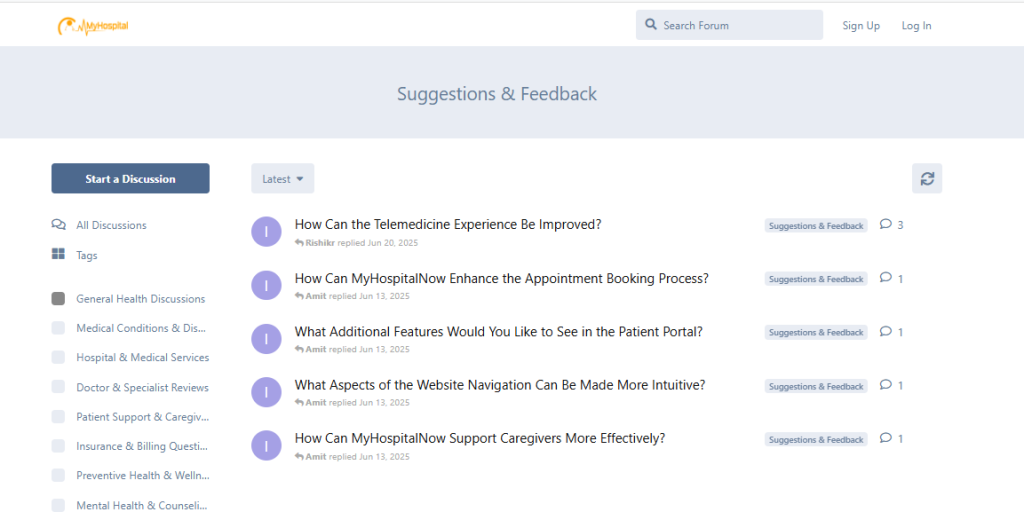
If you want to share ideas, report issues, or suggest improvements in a structured way, use the Suggestions & Feedback discussion area.
Why Patient Feedback Matters More Than Ever
Feedback is powerful because it:
- improves patient safety and reduces repeated mistakes
- helps hospitals and clinics fix real workflow issues
- supports better communication between patients and providers
- helps caregivers feel heard and supported
- improves digital health platforms and community resources
- guides new patients toward better decisions
Many people think feedback “won’t change anything.” In reality, good feedback often becomes:
- better appointment systems
- improved billing clarity
- faster response times
- safer discharge instructions
- better nursing communication
- improved cleanliness and infection control
- more respectful care experiences
Actionable tip: If you want your feedback to lead to change, keep it calm, clear, and specific.
A Real-World Story: Feedback That Prevented Future Harm
A caregiver noticed that the discharge papers for an elderly patient had confusing medication instructions. The pharmacy label didn’t match the discharge sheet. The caregiver reported it calmly with:
- the exact mismatch
- the risk it created
- the correction requested
The hospital reviewed the discharge template and updated the format to reduce future confusion. That one piece of feedback likely prevented multiple medication errors.
Key lesson: You don’t need to be loud to be effective—you need to be precise.
What “Good Feedback” Looks Like in Healthcare
Good feedback is:
- specific (what exactly happened?)
- timely (reported soon after the event)
- actionable (what change would help?)
- fair (focus on facts, not insults)
- complete (date, location, department, role involved if known)
Bad feedback is:
- vague (“everything was terrible”)
- personal attacks
- emotional but unclear
- missing the actual problem and solution
Actionable tip: Think of feedback like a medical report—facts, impact, recommendation.
The 5-Part Feedback Template That Gets Results
Use this format when writing feedback:
1) What happened (facts)
- “On (date), during (visit type), I experienced…”
2) Where it happened
- department, ward, clinic area, or service stage (billing, reception, pharmacy, lab)
3) Why it matters
- “This created confusion, delay, risk, discomfort, or extra cost.”
4) What you expected
- “I expected clear instructions, timely updates, respectful communication…”
5) What would fix it
- “A simple improvement could be…”
Actionable tip: If you can describe the fix in one sentence, your feedback is usually strong.
What to Share Feedback About (Most Useful Topics)
1) Communication and Respect
- unclear explanations
- rushed conversations
- dismissive behavior
- lack of privacy during discussions
What helps: Ask for a simple standard: “Explain in plain language and confirm understanding.”
2) Appointment and Wait-Time Problems
- long delays without updates
- unclear scheduling systems
- missed coordination between departments
What helps: Regular updates, visible queue status, better triage communication.
3) Discharge Instructions and Aftercare
- confusing medication steps
- missing follow-up timelines
- unclear warning signs
What helps: One-page discharge summary with “what to do” and “when to return.”
4) Billing and Insurance Confusion
- unclear estimates
- missing itemized bills
- surprise provider charges
What helps: Transparent billing explanation and itemized detail.
5) Cleanliness, Safety, and Infection Control
- hygiene issues
- sanitation gaps
- staff not following safety protocols
What helps: Immediate reporting so issues can be corrected quickly.
6) Food, Comfort, and Basic Needs
- nutrition quality for patients
- hydration access
- bed comfort and mobility support
What helps: Simple fixes can improve recovery experience dramatically.
7) Caregiver Support
- lack of clarity for family members
- unclear visiting rules
- poor caregiver instructions
What helps: A caregiver guide that explains what to do, what to watch, and who to contact.
How to Give Feedback Without Increasing Conflict
Many patients fear that feedback will create friction. Here’s how to keep it constructive:
Use “impact language”
Instead of: “Your staff was careless.”
Say: “The instructions were unclear, and it increased the risk of medication error.”
Separate the person from the process
Focus on what the system can improve rather than blaming individuals.
Stay calm but firm
Being respectful doesn’t mean accepting poor care. Calm clarity is powerful.
Actionable tip: If you’re emotional, write your feedback, wait 30 minutes, then refine it.
When Feedback Is Urgent (Patient Safety Red Flags)
Some issues should be escalated quickly:
- medication mix-ups
- wrong patient identity risks
- repeated falls risk without precautions
- severe allergy ignored
- uncontrolled pain without review
- serious infection control concerns
- sudden confusion in an elderly patient dismissed
Actionable tip: If safety is involved, escalate immediately through official hospital channels while documenting the facts.
Medical Tourism Perspective: Feedback Helps Global Patients Too
Medical tourism patients rely heavily on reviews and community experiences. Useful feedback for international readers includes:
- clarity of package inclusions
- language support and communication quality
- aftercare and follow-up structure
- real recovery timelines
- hidden costs (tests, extended stay, complications)
- airport pickup and patient logistics
Actionable tip: If you traveled for care, your detailed feedback can protect future patients from costly surprises.
Real-World Case Studies
Case Study 1: Fixing a Scheduling Gap
A patient reported repeated appointment delays without updates. The clinic introduced a simple “delay notification” process. Patient stress reduced and satisfaction improved.
Case Study 2: Improving Discharge Clarity
A caregiver highlighted confusing medication timing. The hospital simplified the discharge document and reduced repeat calls and medication confusion.
Case Study 3: Billing Transparency Improvement
Patients reported confusion about estimates vs final bills. A clearer “what this includes” sheet reduced conflict and improved trust.
Actionable Tips: How to Write Feedback That Actually Works
- Use the 5-part template (facts → place → impact → expectation → fix)
- Include dates and service stage
- Avoid personal attacks
- Suggest a simple improvement
- Keep it short but complete
- If you have evidence, describe it (don’t share private info publicly)
- Follow up politely if no response
- Praise what worked too—balanced feedback is taken more seriously
Frequently Asked Questions
1) Should I share feedback publicly or privately?
Both can help. Public feedback helps other patients; private feedback may lead to direct resolution.
2) What if I’m afraid of retaliation?
Keep it factual and focus on process improvements. Avoid naming individuals publicly.
3) How detailed should feedback be?
Detailed enough to reproduce the issue and fix it—date, stage, impact, and suggested improvement.
4) Can feedback change hospital policies?
Yes, especially when many patients report the same process issue.
5) Should I include emotions in feedback?
You can mention how it affected you, but keep the core message factual and actionable.
6) What is the best opening line for feedback?
“Here is what happened, why it matters, and what would help improve it.”
7) Is positive feedback useful?
Yes. It reinforces good practices and helps hospitals recognize strong staff behavior.
8) What if my feedback is ignored?
Follow up. Escalate if it’s safety-related. If it’s systemic, community discussions help surface patterns.
9) What should caregivers include in feedback?
Clarity of instructions, communication, safety, caregiver guidance quality, and discharge support.
10) Where can I share suggestions and read other experiences?
Use the forum linked at the top of this guide.
Conclusion: Better Healthcare Starts With Clear Voices
Your feedback matters because it can improve safety, dignity, and outcomes—not just for you, but for everyone who comes after you. When feedback is calm, specific, and solution-focused, it becomes a tool for real improvement.
If you want to share suggestions, report issues, or help shape better patient support, use the Suggestions & Feedback forum linked at the top of this guide.